Oil at the Center of the Trump–Modi Deal and Its Impact on India-Russia Trade
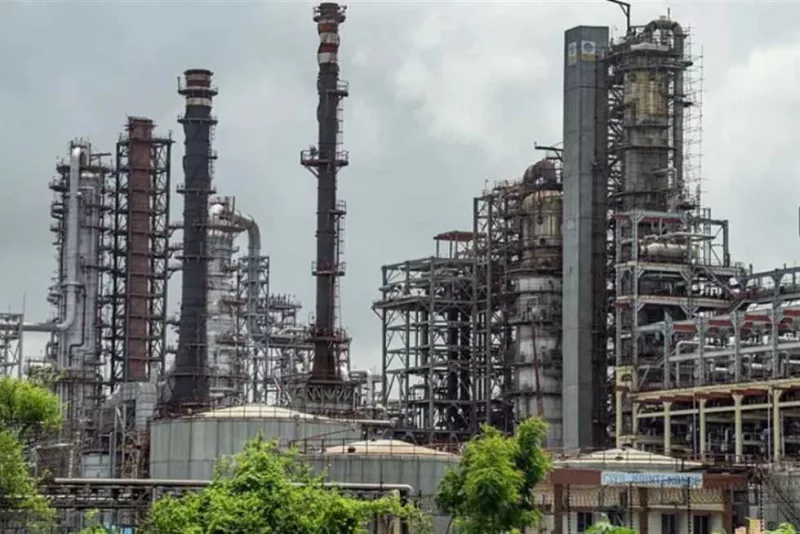
Oil has once again taken center stage in geopolitical tensions following a new trade understanding between US President Donald Trump and Indian Prime Minister Narendra Modi, reshaping India’s energy import priorities in exchange for tariff relief.
The agreement, revealed after a phone call between the two leaders, indicates that New Delhi would scale back purchases of Russian oil and increase imports of oil from the United States, and possibly Venezuela, in return for reducing key US tariffs on Indian goods from 25% to 18% and removing punitive duties linked to Russian oil purchases.
India Between Energy Pragmatism and Strategic Autonomy
India faces a delicate balance.
Since the outbreak of the Ukraine war in 2022, it has become a major buyer of discounted Russian oil, benefiting from lower prices.
However, US pressure and Western sanctions have prompted a reassessment of its oil strategy to balance supply security with geopolitical interests.
Despite Washington’s announcement, Moscow stated it had received no formal indication of halted supplies, emphasizing that global demand for Russian oil remains strong and that its strategic partnership with India continues.
Implications for India’s Energy Sector
Analysts believe the understanding provides Indian refiners greater flexibility in diversifying crude sources, particularly by increasing US oil and LNG imports, strengthening their bargaining power in oil pricing negotiations with OPEC suppliers.
Companies such as Indian Oil, BPCL, and Reliance are expected to benefit from blending lighter US crude with Middle Eastern grades, improving refining margins and export competitiveness.
Ultimately, the future of Russian oil flows to India will depend on political and economic developments, as global energy alliances continue to evolve.